

WEBSITE DEVELOPER (CMS)
A website developer is a professional who builds and keeps websites for businesses, brands and people.A website developer turns designs and ideas into sites that work well and are easy for users. A website developer uses tools such as HTML, CSS, JavaScript and many other web development tools. A website developer builds the structure, layout and features of a site. A website developer makes sites responsive so they run smoothly on phones, tablets and computers. A website developer can build business sites, portfolios, online stores, blogs and web applications.
A website developer also focuses on speed, performance, security and ease of use. A website developer may work on the end back end or both. Front‑end work is about what visitors see and interact with. Back‑end work deals, with databases, servers, functions. How the site runs. A website developer tests sites to spot and fix errors or technical problems. A website developer also. Keeps sites secure and effective. In short a website developer turns ideas into fast, functional and engaging online experiences.
TYPES OF WEBSITE

STATIC WEBSITE
A static website is a type of website where the content does not change often. The content is usually built using HTML, CSS and JavaScript. The information shown stays the same unless a developer makes a change. Static websites usually do not need a database or server-side programming. Because the pages are delivered directly to visitors they load quickly. Static websites are easy to create and easy to maintain. They are also easy to host. These websites work well for portfolios, business profiles, landing pages and websites that share information. Common pages on a website include Home, About Us, Services and Contact. They are a cost- choice for businesses that do not need to update content often. Overall a static website is perfect, for sharing fixed information online.
DYNAMIC WEBSITE
A dynamic website changes its content based on what the user does what data is available or other conditions. It is different from a website because it can show different information to different people. These websites often connect to a database to store and pull up things like products, user profiles, posts or orders. Updating content is easy because you don’t have to change each web page by hand. Common features include login systems, search tools, shopping carts, comment sections and content that changes based on who’s viewing it. Technologies like PHP, JavaScript, Python or Node.js are often used to build them. Examples include e-commerce sites, social media platforms, news websites and online booking systems. A dynamic website reacts fast to user actions. Offers a more interactive experience. It is very useful, for businesses that update their content often or handle a lot of data.
CATEGORIES OF WEBSITE
BLOG WEBSITE
A blog website is a website where individuals or businesses regularly publish articles, information, ideas and updates. Blog website is a place where people share thoughts and news. Blog website can cover topics such as education, technology, travel, lifestyle, business or digital marketing. Blog website can talk about subjects. Blog posts are usually organized by categories, tags and publication dates. Blog posts use categories, tags and dates to help readers navigate easily. A blog helps websites share information. Blog attracts visitors.
SOCIAL MEDIA WEBSITE
A social media website is a platform that lets people connect talk and share things with one another. I notice that it feels like a gathering place. People can build profiles put up photos, videos, messages and other updates. I see many people using it to show their life. It lets people interact by liking, commenting, sharing or sending messages. I find that these actions create a sense of community. Social media websites help individuals, communities and businesses make links and reach more people.
E-COMMERCE WEBSITE
An e-commerce website is a platform where people can buy and sell products or services over the internet. I find that an e-commerce website lets customers browse products compare prices and place orders from anywhere. I see that customers can add products to a shopping cart and make online payments on an e-commerce website. I notice that an e-commerce website can offer features like product reviews, discounts order tracking and customer support. I know examples such, as Amazon, Flipkart and other business websites are e-commerce websites.
WHAT IS DOMAIN ?
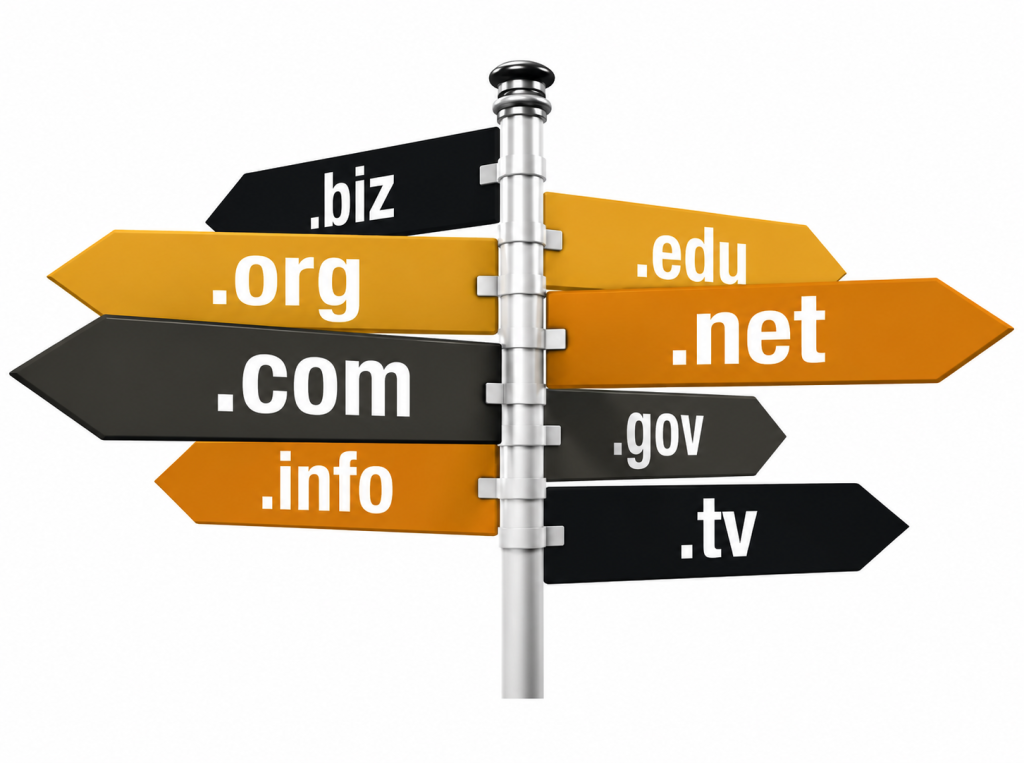
A domain is the name that identifies a website on the internet. It is the address that people type into a browser to visit a website. For example google.com and wikipedia.org are domain names. A domain makes it easier for users to remember and access a website. Every domain is connected to an IP address of a web server. Domains usually have an extension such, as.com,.org.in or.net .Businesses often choose a domain related to their brand or services. In words a domain is the online address of a website.
A good domain name should be short, simple and easy for people to remember. It helps create an identity and makes your brand easier to find online. Picking the domain name is an important step when building a successful website.
WHAT IS HOSTING ?

Web hosting is a service that keeps your website files on a server. It lets people see your website when they go online. When someone types your domain name hosting sends your site to their browser. You can store things like images, videos, text, HTML, CSS and other data in hosting. A good hosting service makes your site load fast and work well. It also gives you storage space and the tools needed to keep your site running. Hosting plans come with extras like backups, security, email and help when you need it. There are kinds of hosting. Shared, VPS, cloud and dedicated. The best hosting for you depends on how big your site’s how many visitors it gets and what speed you want. In words hosting is the place, on the internet where your website lives.
A good hosting service also gives security to keep your website safe from threats. Hosting helps keep your website accessible, to visitors at any time.In words hosting gives you the server space and resources you need to run your website online.
Choose the Right Web Hosting for Your Needs
SHARED HOSTING
Shared hosting is a kind of web hosting where many websites use the server and the same resources. It is a low-cost way to host a website, which makes it perfect for websites, blogs and people who are just starting out. The speed and performance of a website can be affected by what other websites, on the same server are doing.
VPS HOSTING
VPS hosting gives you a part of a server’s power using virtualization to make it work just for your website. This means you get performance more control over your setup and better security compared to shared hosting. It’s a choice, for websites that are growing and need more resources and more room to adjust things as they expand.
DEDICATED HOSTING
Dedicated hosting means that a website receives a physical server that belongs only to that website. Dedicated hosting offers performance, strong security and complete control over all server resources. Dedicated hosting is ideal, for websites large businesses and applications that need a lot of resources.
CLAUD HOSTING
Cloud hosting is a kind of web hosting. In this setup your website runs on a group of servers rather than just one physical server. This setup allows for performance and stability. Resources are shared across servers, which helps handle traffic spikes and keeps the site running smoothly. Cloud hosting is great, for websites that get amounts of traffic.